

Tax day has arrived, and with it has come political rhetoric about how higher refunds are helping hardworking Americans get ahead. Refunds are higher this year, with the average increase so far at around $350.
But that is only a part of the story. A larger refund does not necessarily mean that you came out ahead. For many Americans, it just means you paid more somewhere else.
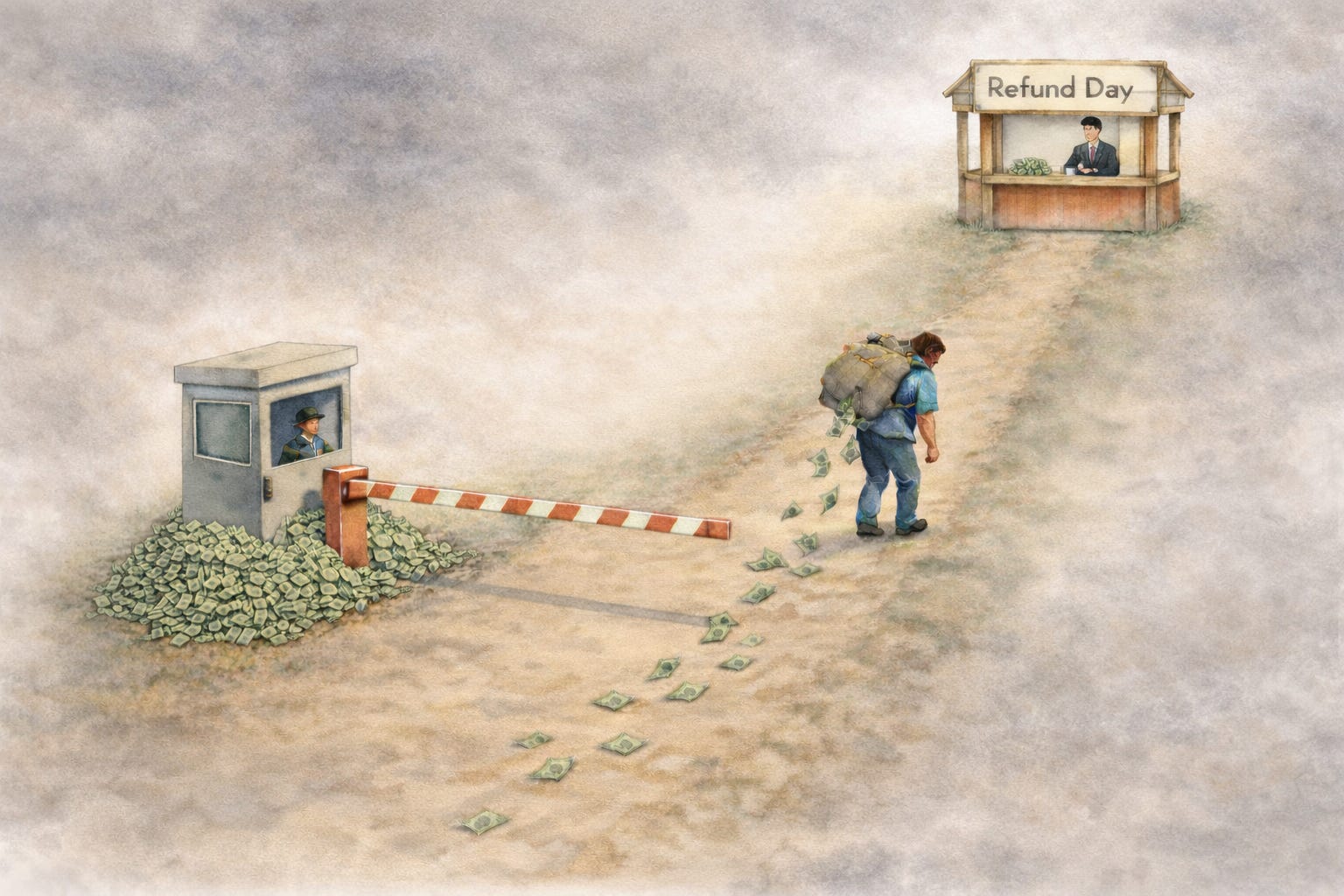
When Republicans passed the One Big Beautiful Bill last year, they promised to keep more money in the pockets of everyday Americans. They described it as the largest tax cut in history, and that’s where the spin begins. It was not the largest tax cut in history. It was mostly an extension of the 2017 tax cuts that were set to expire, with smaller additions layered on top.
Those extra tax cuts were gimmicks, designed to create talking points for elections instead of any meaningful change.
Take the “no tax on tips” provision. It sounds nice, but only about 2.5% of US workers are tipped workers. Of those, nearly 40% earn too little to pay federal income tax, which means the policy does nothing for them. And anyone who does get the benefit still pays payroll and state taxes on their tips.
“No tax on overtime” is a similar situation. Only around 15% of US workers qualify for overtime pay, and only 6% regularly work it. Roughly 90% of Americans will never benefit from this provision. And, like tips, overtime pay is still subject to payroll and state taxes.
While those income tax changes did increase the average refund by about $350, other taxes took that money away.
Last year, tariffs, an additional tax on goods, cost the average household $1,000. That more than offsets the increase in refunds. Unlike income taxes, which are structured to place a larger burden on higher earners, tariffs are regressive. Lower-income households spend a larger share of their income on goods, so they feel the impact more directly. These combined policies mean people are falling behind, not getting ahead.
That tradeoff is no accident. Analysis from the Institute on Taxation and Economic Policy found that these policy changes “will increase taxes for most Americans, significantly expand income inequality, and add trillions to the national debt, while delivering substantial tax cuts to high-income households, corporations, and foreign investors.” Middle-income households are projected to pay $900 more in taxes this year, while the very wealthy will receive massive cuts.
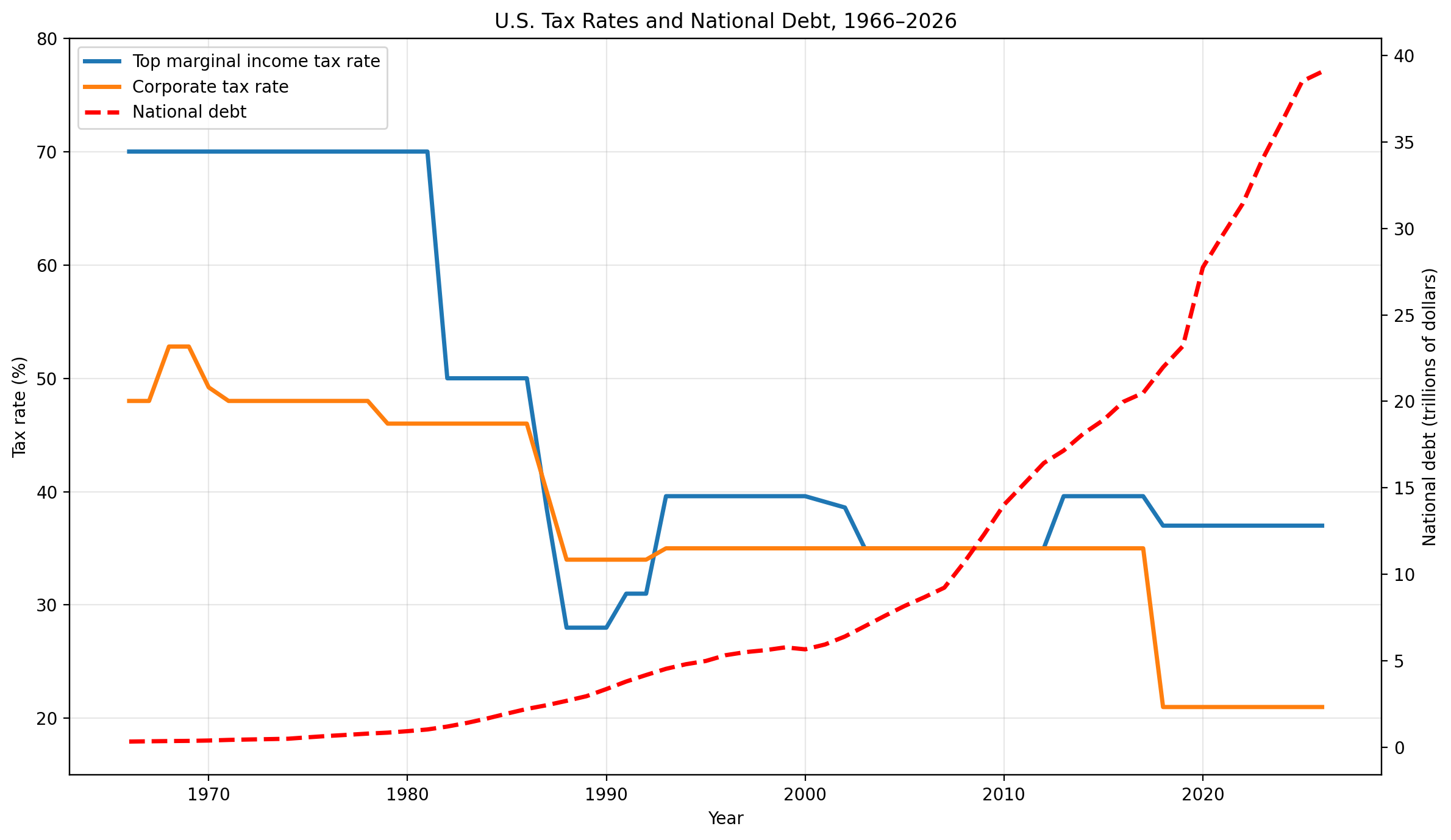
There is a pattern to the design of these tax changes. The provisions aimed at the working and middle-class Americans are minor and temporary. The tax breaks on tips and overtime expire in 2028. This is what happened with the 2017 tax law as well, where individual tax cuts were made to expire while corporate tax cuts were made permanent. This approach, over the last several decades, has created major compounding benefits for those at the top, while doing nothing but saddling everyone else with higher national debt. Since the Tax Cuts and Jobs Act took effect in 2018, the national debt has nearly doubled, going from $20 trillion to $39 trillion today.
If the goal were to genuinely help low and middle-income earners, there are easy, effective solutions that would apply to everyone. Expanding the Earned Income Tax Credit would provide direct benefits to workers across a broad range of incomes. Unlike deductions, tax credits can increase refunds even for those who do not owe federal income tax, making them far more effective for lower-income households than narrowly targeted tax exclusions.
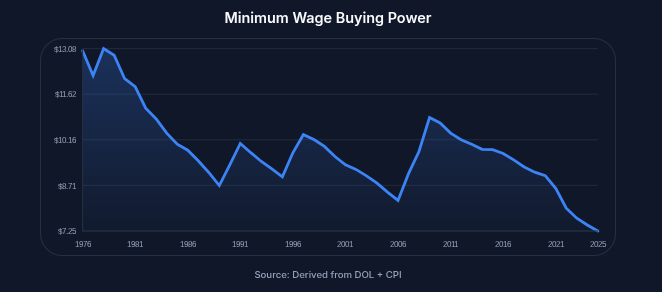
Raising the federal minimum wage would also have a wider and more lasting impact. It has not increased since 2009 and no longer reflects the cost of living in any state. Research continues to show that higher minimum wages can raise earnings without significant job losses. A recent UC Berkeley study found that a $20 minimum wage for fast-food workers in California had only a minimal effect on prices, increasing the price of a $4 menu item by just 6 cents, while raising wages and without causing job losses. Policies like these improve the lives of tens of millions of workers rather than a small subset.
There is also a larger issue lurking behind all of this. Tax cuts aren’t free. They reduce government revenue, and when they are not offset, they drive deficits higher. Those deficits are used later to justify cuts to programs that lower-income households rely on, including food assistance and healthcare. At the same time, other areas of spending, such as the military, continue to grow, shifting the balance of who benefits and who bears the cost.
Tax cuts sound great. They’re easy to sell because they promise more money in your pocket. But the truth is that unless you’re already wealthy, these tax cuts are little more than a temporary distraction that does nothing to improve your life. They are more than offset by higher costs elsewhere. Most Americans are left paying more overall, while receiving fewer benefits in return.
We Must Fix America's Priorities

This is what the President of the United States said a few days ago: